


Daisy Foster provides an updated analysis on strategies for generating income through crypto mining as of Thursday, January 22, 2026 at 01:03 AM.
Crypto mining refers to the process of validating transactions and adding them to a blockchain by solving complex mathematical problems using computer hardware. This activity is incentivized with cryptocurrency rewards, creating a potential revenue stream for participants. The profitability of mining can vary based on several factors including hardware efficiency, energy costs, and the specific cryptocurrency being mined.
Crypto mining works by deploying computing power to solve cryptographic puzzles that secure a blockchain network. When miners successfully solve these puzzles, they receive cryptocurrency as a reward. This process not only facilitates transactions but also creates new coins within the blockchain ecosystem. The mining process can occur through different methods such as solo mining, pool mining, and cloud mining, each presenting unique advantages and challenges.
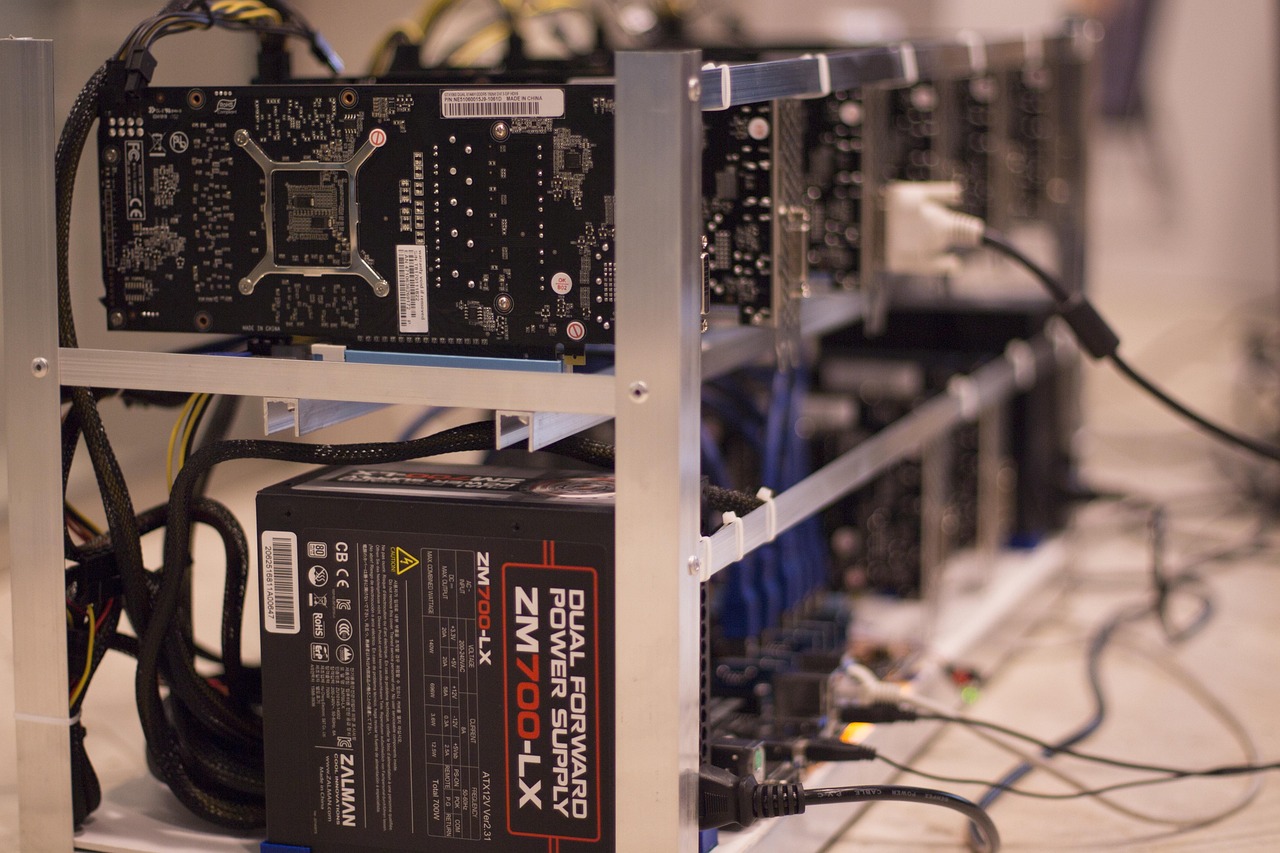
This image illustrates the fundamental mechanics of crypto mining, showing how mining rigs operate to solve complex algorithms and secure the blockchain network.
The tradeoff when considering crypto mining is significant. While it can potentially be lucrative, it is important to recognize that mining is not suitable for everyone. For instance, high electricity costs can severely cut into profits, making mining unfeasible in regions where energy prices are elevated. Additionally, the volatility of cryptocurrency markets means that the value of mined coins may drop significantly, rendering previously profitable operations unviable. Lastly, mining requires substantial technical knowledge and ongoing maintenance, which can be a barrier for those not intimately familiar with the technology.
1. Readiness Assessment
– Assess if your hardware can support the mining process.
– Determine the cryptocurrency you want to mine based on market conditions. Strategies for generating income

2. Prerequisites
– Ensure clarity on your mining goals.
– Understand the necessary software and hardware requirements.
3. Security Preparation
– Implement security protocols to protect your mining setup.
– Stay informed about potential threats within the blockchain ecosystem.
4. Required Tools
– Acquire suitable mining hardware, such as ASIC miners or GPU rigs.
– Set up reliable software for mining operations.
5. Step-by-Step Setup
– Follow a structured approach to configure your mining equipment.
– Connect to a mining pool if opting for collaborative efforts.
6. Verification Checks
– Regularly verify system operations to prevent downtime.
– Monitor for overheating or connectivity issues that can affect performance. Factors including hardware efficiency

7. Cost Expectations
– Calculate potential profits by integrating hardware costs, energy bills, and potential earnings.
– Be prepared for fluctuating expenses based on coin values.
8. Time Commitment
– Understand the commitment required for continuous operation and maintenance.
– Allocate time for monitoring system performance and productivity.
9. Failure Points
– Identify common failures such as hardware malfunctions or outdated software.
– Prepare contingency plans to mitigate operational disruptions.
10. Mistake Prevention
– Implement best practices for setup and operation to reduce errors.
– Educate yourself on potential pitfalls in the mining process.
11. Confidence Check
– Regularly assess the efficiency and profitability of your mining strategy.
– Stay informed about industry trends that may impact your business. Computing power to solve cryptographic puzzles
12. Go / No-Go Decision
– Make informed decisions based on data-driven insights and operational readiness.
– Regularly evaluate whether to continue, upgrade, or cease mining operations.
13. Execution Readiness Summary
– Compile insights from your assessments to determine your operational viability.
– Create a roadmap for continuous improvement and potential scaling.
The profitability of crypto mining can vary widely based on various external factors. According to industry audits, in 2022, Bitcoin mining alone accounted for an average operational cost of approximately $4,000 per Bitcoin, highlighting the substantial investment required. Furthermore, recent standards bodies have estimated that energy consumption for mining operations could reach upwards of 120 terawatt-hours annually, underlining the ecological impacts and operational challenges faced by miners.
| Factor | Description | Impact on Profitability |
|———————-|—————————————————–|—————————————-|
| Hardware Efficiency | The capability of mining equipment to solve puzzles | Higher efficiency leads to greater returns |
| Energy Costs | Variable costs associated with electricity usage | High energy prices can lead to losses |
| Cryptocurrency Value | Market fluctuation of mined coins | Volatility can impact total profitability |
In practice, establishing a successful mining operation requires an understanding of the full ecosystem including hardware selection, energy management, and market conditions. By leveraging knowledge gained from over 15 years of experience, miners can navigate challenges and optimize their setups for increased revenue potential.
How can someone monetize mined cryptocurrency after acquiring it?
Mined cryptocurrency can be monetized by selling it on various exchanges or trading platforms for fiat currency or other cryptocurrencies. It's important to consider market conditions, as prices can be volatile; thus, timing the sale can significantly impact potential profits. However, this introduces tradeoffs that must be evaluated based on cost, complexity, or network conditions.
What factors should be considered when deciding to start mining cryptocurrency?
Key considerations include the cost of electricity, hardware efficiency, and the type of cryptocurrency to mine, as some require significantly more resources than others. Additionally, miners should assess the current market value of the currency and their tolerance for potential loss amid fluctuating prices, as profitability can vary widely. However, this introduces tradeoffs that must be evaluated based on cost, complexity, or network conditions.