

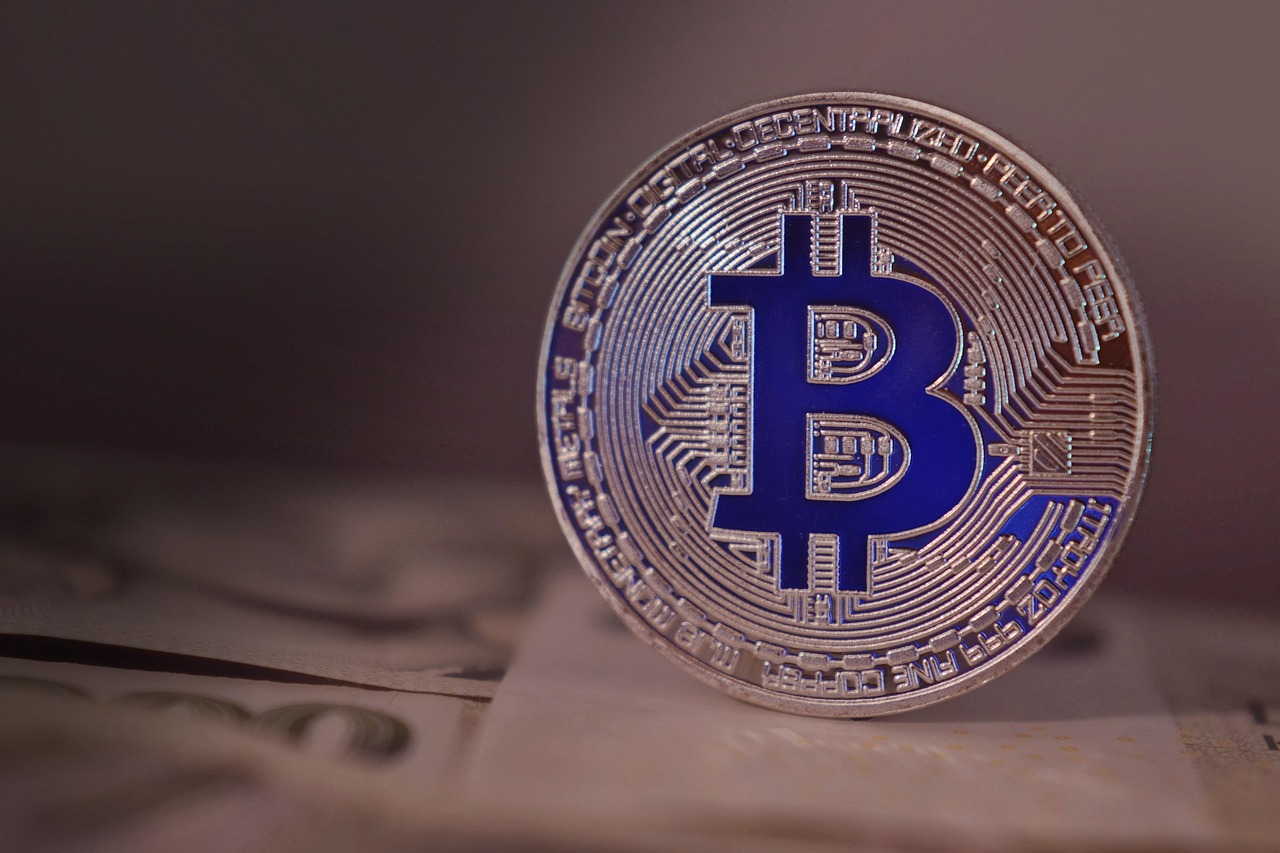
Daisy Foster reported on Wednesday, January 21, 2026 at 09:38 PM regarding methods for assessing the value of coins in the current market.
Determining the worth of coins is a vital aspect of numismatics, the study or collection of currency. Coin valuation involves various factors including rarity, condition, and market demand. Accurately assessing the value of a coin requires a systematic approach.
Understanding coin value often begins with identifying the specific coin. This includes its denomination, mint year, and mint mark, as these factors significantly influence valuation. The coin’s physical condition—often categorized by grading scales such as the Sheldon Scale—also plays a critical role in determining worth. Coins in pristine condition generally command higher prices.
Another essential factor is market trends. Coin values can fluctuate based on demand and the prevailing economic climate. Relatively rare coins may experience significant appreciation during certain periods, making it essential for collectors to stay informed about market conditions.
This image illustrates the grading process used to evaluate coin conditions. Various factors including rarity and market demand
A comprehensive assessment should also involve consulting resources such as coin price guides and auction results. These materials provide insights into current market values and historical trends. Online marketplaces and brick-and-mortar numismatic shops can also serve as effective avenues for obtaining current value estimates.
In practice, diving deeper into sub-genres of coins—like collectible coins, bullion, and commemorative editions—will enhance accuracy in valuation. Seeking expert opinions from certified appraisers or professional consultants could further enrich the understanding of a coin’s specific worth.
Non-traditional factors can sometimes obscure true value. For example, coins that hold historical significance or connection to popular culture may inflate their market value beyond simple metal composition. Furthermore, local market demand can vary, making some coins worth more in one area than another.
The following steps provide a framework for assessing the value of coins: Identifying the specific coin including its denomination and mint year
1. Identify the coin’s type and attributes.
2. Evaluate the coin’s condition using grading standards.
3. Research current market trends and values using reliable sources.
4. Consult price guides specifically focused on the type of coin.
5. Look at auction results for similar coins.
6. Consider any unique historical significance or rarity.
7. Seek professional appraisal if necessary.
8. Keep detailed records of findings and valuations.
9. Adjust understanding based on changing market conditions.
10. Review periodically to ensure continued accuracy in coin investment assessments.
| Step | Action | Outcome |
|——|——–|———|
| 1 | Identify coin type and attributes | Establishes baseline for valuation |
| 2 | Evaluate coin condition | Provides condition context for value |
| 3 | Research market trends | Informs value fluctuation insights |
| 4 | Consult price guides | Offers real-time valuation benchmarks |
Determining the value of coins is a nuanced process that can yield impressive insights but has its limitations. This method does not account for every scenario; particularly, methods such as coin flipping or speculative purchasing may lead to overvaluation without solid research. Furthermore, relying solely on outdated guides or seller estimates can yield inaccurate assessments. Understanding local market dynamics can also affect valuations significantly; some coins may hold more value in certain regions due to collectibility or historical associations.
The presence of counterfeits further complicates the valuation process. It’s essential to develop skills in identifying counterfeit coins, as they can severely impact investment decisions. Engaging in transactions without verification can expose collectors to unintentional loss, thus underscoring the importance of education and expert guidance in the field. Identifying the specific coin including its denomination and mint year

Collector preferences change over time, creating variances in coin worth. Keeping in mind emerging trends and collector focus areas can inform better decision-making when selecting coins for investment or collection.
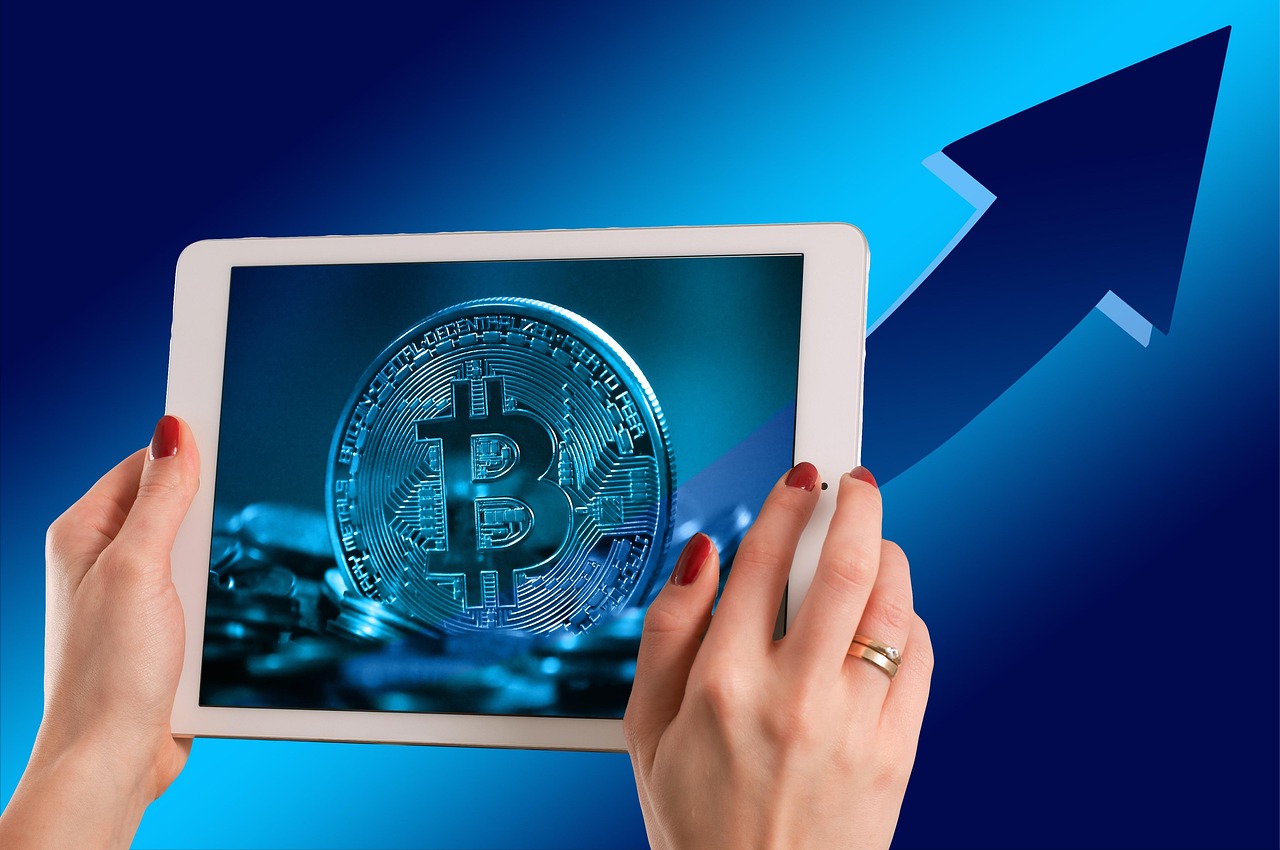
This graphic is a conceptual representation of the factors contributing to coin valuation.
For those embarking on the journey of valuing coins, practical experience and continued learning will cultivate a deeper understanding. Explore local numismatic clubs or online forums where enthusiasts share insights and prices to bolster confidence in valuing coins accurately. By taking an informed approach, individuals can safeguard their investments and enhance their numismatic pursuits.
What tools can I use to determine the value of different coins?
To assess coin values, you can use online platforms like CoinMarketCap, which aggregates price data from various exchanges, or numismatic databases for collectible coins. Keep in mind that prices can vary significantly between markets and may not always reflect real-time trading conditions. However, this introduces tradeoffs that must be evaluated based on cost, complexity, or network conditions.
How can I monitor the market trends for specific coins?
You can track market trends for specific coins by setting up alerts on cryptocurrency exchanges or using portfolio tracking apps that provide real-time analytics. However, the time lag in reporting price changes can impact your ability to act quickly on significant price movements.
What should I consider when evaluating the reliability of coin valuation websites?
When evaluating coin valuation websites, consider the source of their pricing data, frequency of updates, and the transparency of their methodology. Some platforms might not include all market exchanges, which can lead to discrepancies in reported values. However, this introduces tradeoffs that must be evaluated based on cost, complexity, or network conditions.